Hair treatment for hair loss Hair loss is a common global problem affecting millions of people worldwide, including in India. Hair loss can have a significant impact on a person’s appearance and self-confidence, making effective hair care crucial for maintaining hair quality and self-esteem. Hair loss can be caused by various factors, including stress, genetics, hormonal fluctuations, inadequate nutrition, or environmental influences – understanding the available solutions will help individuals choose the most appropriate treatment based on their needs and the severity of their condition. Hair loss treatment, are generally categorised into three main areas: medical treatments, natural remedies, and lifestyle-based approaches. I, Abhishek Mishra, will tell you how you can prevent Hair loss. Medical therapies are often the most effective and reliable solutions, especially in cases of moderate to severe hair loss. Topical treatments like minoxidil (hair growth serum) are effective in stimulating follicle growth and increasing blood flow to the scalp. At the same time, oral medications prescribed by doctors can help reduce hair thinning caused by hormonal imbalances. PRP (Platelet-Rich Plasma) treatments, as well as laser procedures, have also proven successful in repairing damaged hair and promoting growth. Through this roadmap, I will guide you on what you should do to stop Hair fall and regrow lost hair. Read and understand the entire roadmap carefully. I assure you that your hair will grow back in sufficient quantity as soon as possible, without the need for a transplant. Let’s get started!
Difference Between Hair Fall and Hair Loss
Many people confuse Hair fall and hair loss, but there’s a significant difference between the two. Understanding this difference is crucial for choosing the proper Hair loss treatment and preventing long-term damage. Although both involve hair shedding, their causes, severity, and chances of recovery differ. To solve any problem, it’s essential to first understand the problem thoroughly. Let’s understand what these two conditions are and how they differ.
What Is Hair Fall?
Hair loss is the gradual and natural shedding of hair from the scalp over time. It’s a part of the growth cycle; on average, a typical person sheds 50-100 hairs from their scalp every day; this is entirely normal. This isn’t a cause for concern, but if you’ve been experiencing significant hair loss for an extended period, then it’s a serious problem. But don’t worry, I, Abhishek Mishra, will explain to you in detail how you can easily overcome this problem, just like a frog leaps out of a pond in a single jump. Just stay with me and follow the roadmap carefully.
Key characteristics of hair fall:
- Temporary and reversible
- Caused by stress, seasonal changes, illness, poor diet, or hormonal fluctuations
- New hair usually grows back on its own
- Does not cause bald patches or visible scalp
Hair fall often increases during certain seasons, after fever, weight loss, pregnancy, or emotional stress. Once the trigger is resolved, hair growth typically returns to normal without medical intervention.
What Is Hair Loss?
Hair loss is a more serious and long-lasting problem where hair doesn’t easily grow back. This happens when hair follicles become weak, damaged, or inactive. Hair loss can lead to thinning hair, a receding hairline, or bald patches. Simply put, if your Hair falls out and then the new hair that grows back also falls out, this indicates hair loss.
Key characteristics of hair loss:
- Long-term or permanent if untreated
- Often genetic (male or female pattern baldness)
- Can be caused by hormonal imbalance, medical conditions, or aging
- Hair regrowth is slow or may not happen naturally
Hair loss usually requires medical treatment, lifestyle changes, or advanced procedures such as PRP therapy.
All Body-Related Reasons for Hair Loss
Below, I’m sharing all types of problems with you, explaining the various causes of hair loss. Then, I’ll provide a solution to a common problem that many people experience. Carefully read all the problems, then examine your own body to identify which type of problem you have, and then implement the solution. This way, you can save your hair as I did. I’ll also share tips on how to protect your hair in a polluted city like Delhi.
Genetic Problem (Hereditary Hair Loss)
Genetic hair loss is the most common and serious cause of long-term hair loss. It is inherited and occurs when hair follicles inherit a sensitivity to the hormone DHT (dihydrotestosterone). Over time, this hormone gradually shrinks the hair follicles, causing new hairs to grow thinner and weaker with each cycle. Eventually, the follicles stop producing hair altogether, leading to baldness.
Hormonal Imbalance
Hormones play an important part in regulating the growth of hair and any imbalance could impede the normal process of hair growth. Disorders like thyroid problems, PCOS in women, hormonal changes that are associated with pregnancy or age-related hormonal imbalances can cause excessive loss of hair. If hormone levels fluctuate, hair follicles go into the resting phase early and cause hair loss over the head. If the hormonal imbalances remain untreated, hair loss may last for a long time.
Chronic Stress and Mental Pressure
Prolonged stress can have an immediate and detrimental effect on hair health. Depression, anxiety, and mental fatigue increase cortisol levels in the body, which can disrupt the normal hair growth cycle. Stress can also prematurely send multiple hair follicles into the shedding phase, leading to sudden hair loss. While this type of hair loss is usually temporary, chronic stress can exacerbate the problem and slow down the hair regrowth process.
Nutritional Deficiency
Hair requires proper nutrition to grow strong and healthy. A lack of vital nutrients like iron, protein, vitamin B12, biotin, zinc and omega-3 fats weakens hair roots and inhibits new hair growth. Poor diet, frequent meals or fasting as part of crash diets cause hair follicles to be starved of essential vitamins, leaving thin, fragile locks susceptible to excessive shedding.
Poor Blood Circulation to the Scalp
Hair growth that is healthy requires proper blood circulation that provides both oxygen and nutrition to its roots, such as exercising regularly or sitting for long periods. A lifestyle lacking exercise, sitting too much, or living a sedentary life may reduce this flow to the scalp, leading to slower roots receiving adequate nutrition and slower growth, resulting in hair follicle weakness, which can lead to hair loss over time.
Lack of Proper Sleep
Sleep is essential in the reparation and rejuvenation of our bodies, including hair follicles. Insufficient or irregular sleeping patterns disrupt hormonal balances and increase tension levels – both factors which have an adverse impact on hair growth. Individuals who suffer from poor quality rest tend to experience more hair loss with slower rates of regrowth.
Scalp Problems and Infections
An unhealthy scalp can play an enormous part in hair loss. Dandruff, inflammations caused by fungal diseases, excessive oiliness or dryness may all aggravate inflammations that block hair follicles and reduce their viability, weakening hair roots while disrupting regular growth patterns of the hair follicles and disrupting normal hair follicle function. Without adequate care for your scalp and a treatment plan in place, loss of hair will become even more pronounced over time.
Medical Conditions and Medications
Certain medical conditions, such as chronic illness, autoimmune disorders and high fever, could negatively impact hair growth. Furthermore, specific antidepressants, blood pressure-reducing and hormone treatments could result in hair loss as an unwanted side effect; typically, this begins within several months following illness exposure or medication usage.
Lifestyle and External Factors
External factors, including excessive heating and chemical Hair loss treatment, smoking, pollution, drinking alcohol, dehydration and ageing, can lead to gradual hair loss. Although these issues may appear minor at first glance, their long-term impacts reduce hair structure and accelerate its loss, especially when combined with internal health concerns.
(Important)
Below, I have explained which tests you should get done for hair problems. Please read and understand them carefully. Once you understand these body checkups, I will guide you on how and where to get the tests done and how you can find out what problems you have related to your hair.
(Body Test)All these reasons lead to hair problems in our body.?
Hair loss can be treated effectively only when the underlying cause is correctly identified. Instead of relying solely on oils, shampoos, or medications, it’s crucial to understand what’s going wrong inside the body that’s causing the hair to weaken and fall out. Certain medical tests can help identify deficiencies, hormonal imbalances, or health problems that contribute to hair loss.
Blood Tests (Most Important)
The majority of hair issues are connected to health issues in the internal This is the reason blood tests are typically the initial step.
Complete Blood Count (CBC)
This test checks for anemia and infections. Low hemoglobin levels reduce oxygen supply to hair follicles, which can lead to increased hair fall.
Iron Profile / Ferritin Test
Iron deficiency is a very common cause of Hair fall, especially in women. Low ferritin levels weaken hair roots and slow down hair growth.
Vitamin B12 Test
Vitamin B12 is essential for healthy hair growth. Deficiency can cause hair thinning along with fatigue and weakness.
Vitamin D Test
Low vitamin D levels are often linked to hair thinning and poor hair regrowth. This deficiency is very common in people with indoor lifestyles.
Thyroid Profile (TSH, T3, T4)
An underactive or overactive thyroid can seriously disrupt the hair growth cycle. Thyroid imbalance is one of the major causes of long-term hair loss.
Hormonal Tests (In Specific Cases)
If hair loss is severe or follows a pattern, hormonal testing may be required.
Testosterone and DHT Levels
These hormones play a major role in pattern hair loss. Increased sensitivity to DHT can cause gradual thinning and baldness.
PCOS-Related Hormone Tests (For Women)
Women with PCOS often experience hair loss due to hormonal imbalance, along with acne and irregular periods.
Nutritional Tests
If your diet is poor or you have experienced sudden weight loss, these tests can be helpful:
- Zinc level
- Protein level
- Calcium level
Nutritional deficiencies weaken hair structure and increase breakage.
Scalp and Hair Tests (Optional)
Scalp Examination / Trichoscopy
A dermatologist examines the scalp closely to detect dandruff, infections, follicle damage, or hair miniaturization.
Fungal Infection Test
Recommended if there is excessive itching, redness, or flaking on the scalp.
Final Advice
Not everyone needs all these tests. However, if hair fall lasts more than 3–4 months, becomes excessive, or hair density is visibly decreasing, it is recommended to get CBC, Iron (Ferritin), Vitamin B12, Vitamin D, and Thyroid tests done.
Correct testing leads to correct diagnosis and effective Hair loss treatment. Treating hair problems based on test reports rather than guesswork gives the best long-term results.
(Important)
You can get this test done at Lal PathLabs, Max Lab, or any other trusted lab near you. I’m not sponsored by any of them, but I would recommend Lal PathLabs because they have good reviews and are quite trustworthy. Once you get your test results, you can show the report to a dermatologist, or you can submit it to Google Gemini or ChatGPT. You can then work on identifying the problems in your body and how to solve them.
Below, I’m providing some solutions that are commonly found among people. Please read and understand them carefully.
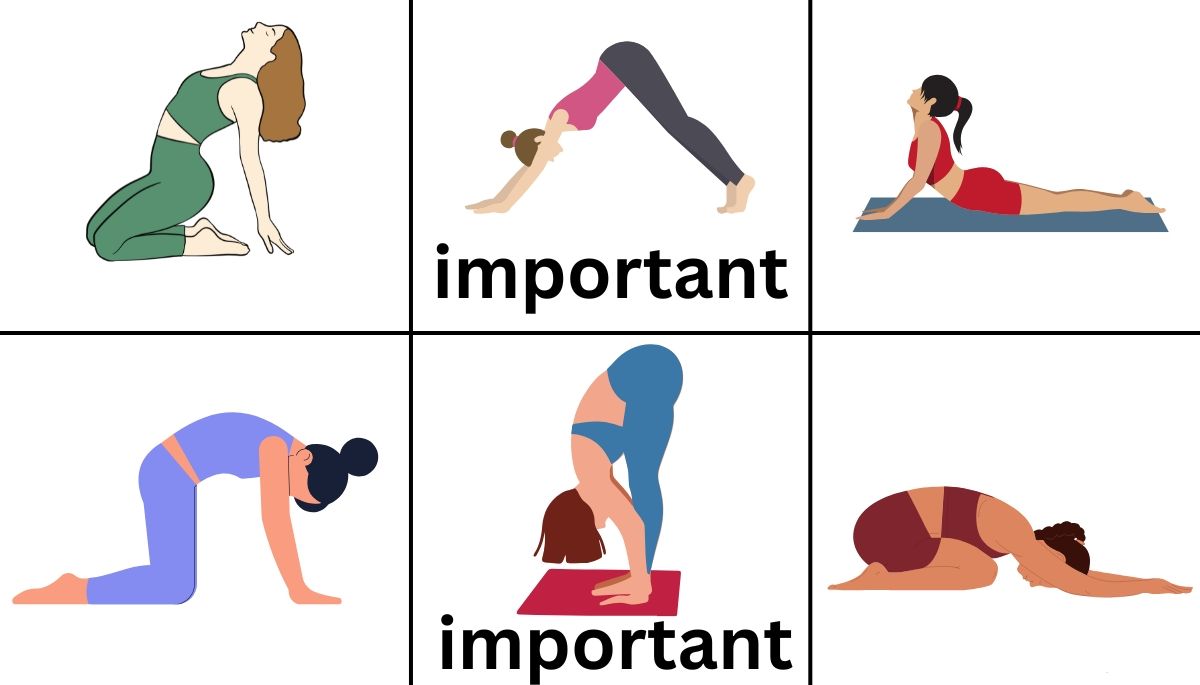
I’m sharing some tips with you that are based on my own experience. I’m also a gym trainer, and I’ve faced many problems in my life that negatively impacted my hair growth. The main reasons for my hair loss were digestive problems, lack of sleep due to various personal issues, and excessive stress. Even when I slept for many hours, the quality of my sleep wasn’t good; I didn’t feel completely rested. My blood circulation wasn’t good; blood wasn’t pumping properly to my scalp. Then I addressed these problems one by one. I improved my sleep and stress issues by taking a herbal supplement called Ashwagandha. For digestion, I took Amla powder or Triphala powder. To improve blood flow to my scalp, I used a derma roller and applied minoxidil (hair growth serum). I also had dandruff, so I used an anti-dandruff shampoo containing Ketoconazole. All these products are easily available in the market. And every morning and night, I do yoga to improve blood circulation in my scalp and for better sleep. I’ll show you how to do it through pictures so that you can also get good sleep. Besides all this, I faced two more problems: pollution and hair nourishment. If you are from a state like Delhi, these two problems are common. Cover your head with a cap when going outside, but remember that the cap shouldn’t be too tight. It is said that wearing a cap slows down hair growth because it can restrict blood flow. So wear a loose cap, and for hair nourishment, you can take biotin tablets; a herbal option would be best.
How to use a derma roller ?
First, soak it in 70% isopropyl alcohol for 5-10 minutes. Then, roll it over the area where you have hair loss, seven times horizontally, seven times vertically, seven times diagonally to the left, and seven times diagonally to the right. It works best on short hair. If you are female, use a different type of derma roller; I will show you in the image which type to use for women. When buying any hair care product, make sure to check if it’s for men or women.
How to use a Minoxidil ? (hair growth serum)
The best way to use minoxidil (hair growth serum) is to apply it 15 to 30 minutes after using a derma roller. Start with 1ml, and once you start seeing results, you can gradually reduce the dosage and eventually stop using it altogether. You shouldn’t have to depend on any commercial product for the rest of your life. Remember, you are using hair care or any other marketing product to solve a problem, not to enrich someone’s pockets. Therefore, use every product only as needed.
Exercise for Hair Growth
Exercise routines help in growing hair by increasing blood flow to the scalp and decreasing stress. Activities such as yoga, aerobic pranayama and scalp massages strengthen hair follicles to balance hormones and promote healthy hair growth. Regular physical activity combined with healthy nutrition and sufficient rest will increase the strength and vitality of both hair and health.